
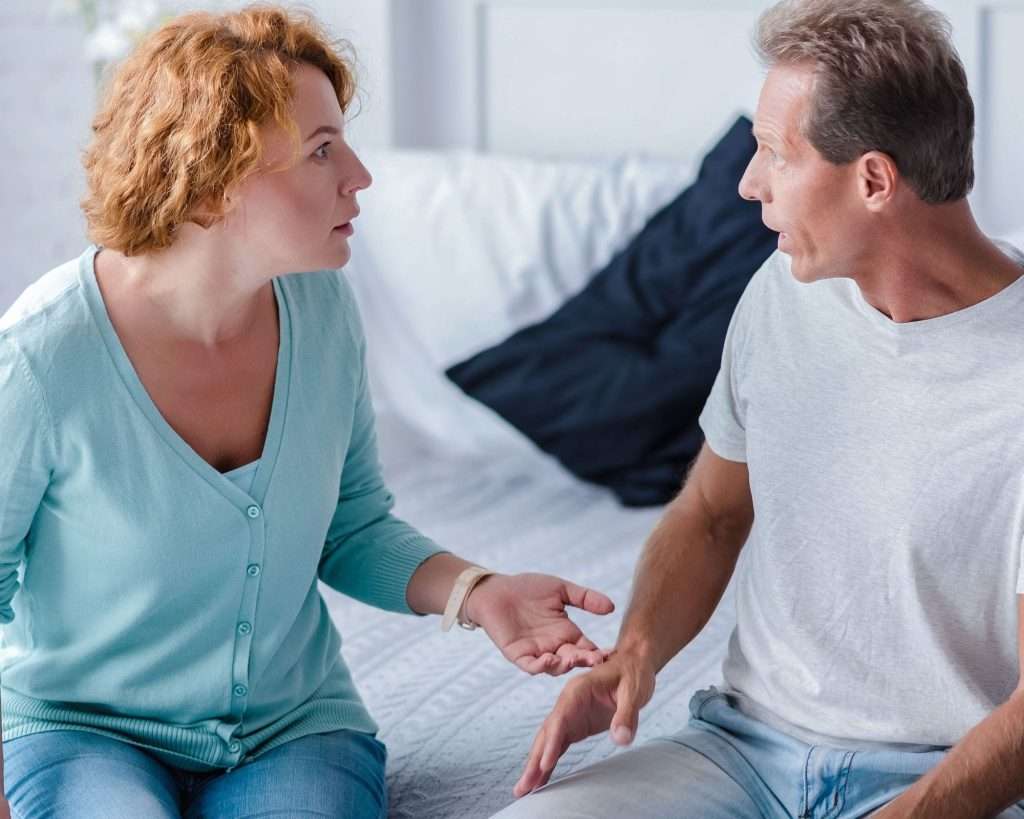
Not standing my ground felt like a sign of weakness. If there was an argument brewing, I instinctively got my gloves on, ready to fight back.
But what happens when the fight response isn’t the answer?
I vividly remember the first time I experimented with truly hearing others instead of instinctually arguing. There I was, listening to someone who was disrespecting me. I felt so sad and hurt. However, pushing aside the instinct to fight back, I stayed relatively calm whilst I observed their intensity. This unfamiliar feeling of calmness was a stark contrast to my usual defensive stance!
The next day, something unexpected happened. This person came to me and apologised for their behaviour. This was the first time that they had ever apologised to me (and our relationship spanned a couple of decades!).
How do you respond when you’re then faced with the unease of someone apologising? That discomfort, coupled with a deep-rooted desire for others to feel okay at all times, can be awkward and overwhelming.
I wanted to brush off their apology with a casual reply like, “It’s all good, don’t worry about it!”. I didn’t feel comfortable in the awkwardness and I wanted to ease their discomfort too. In the past, I would probably have countered their apology with one of my own (to be fair, chances are I’d likely left my dignity at the door and needed to apologise too!). However, this time was different. I found myself in new territory, I didn’t have anything to apologise for! It seemed my ability to listen deeply had put their unsatisfactory behaviour centre stage.
As they apologised, I took a breath, pushed away the instinctual concern for their feelings, and reached for the simple phrase, “Thank you, apology accepted.” Although, it felt strange and unnatural, getting out of my own way and letting my soul receive what it needed from that person was such a gift.
For so long, I believed that honouring myself meant being aggressive and confrontational. I equated calmness with weakness.
But in that moment, I realised what a superpower it was to remain composed and focused on listening, receiving, and truly hearing others, even if I didn’t agree. I felt so dignified. Accepting what is given to me, especially apologies, taught me a valuable lesson about self-worth and the importance of receiving.
By accepting the apology, without diminishing its significance by replying with reassurance to ease the awkwardness, I acknowledged my own worth. I honoured my feelings and validated my experiences. It was a powerful reminder that I deserve respect, I am worthy of love, and that accepting apologies is a way to nurture my own well-being.
The journey to this realisation wasn’t easy. It required me to confront my own insecurities and to challenge the belief that I needed to fight to be respected. It meant embracing vulnerability and letting go of the need to always be right. But the rewards were immense. I felt a sense of peace and empowerment that I had never experienced before.
If you’ve ever struggled with responding instinctually and feeling regret about what you’ve said later, or if you find it uncomfortable to apologise or to receive an apology, know that you are not alone!
Are you ready to embrace change and honour yourself in new ways? Do you want to unlock your potential, your higher self, and therefore create and experience the fulfilling relationships you deserve? Book a FREE discovery call today and take the first step towards a more empowered and joyful life.
Also, if any of what you have read resonates – join my next FREE TALK – click below to register!

Certified Laura Doyle Relationship Coach
Tired of feeling like you’re carrying the weight of your relationship alone?
Is your Husband the problem in the relationship, and he needs to change?
Say goodbye to exhaustion and resentment and hello to the thriving marriage you deserve!
Don’t miss out on this life-changing opportunity. Register now and take the first step towards reclaiming the love and happiness you crave in your marriage.
Select the date that works best for you below to register and begin your journey to becoming an empowered wife!
Sunday 14th December 10am PST | 12pm CST | 1pm EST
Listed dates don’t suit? No problem, Just fill in your details here, and I’ll be in touch with alternative dates.
The upcoming available 4-week workshops are listed below:
OCTOBER 2025
Click here to view your local start time
All sessions 2hours long.
Cant join the workshop on those dates?
No problem, just fill in your details here, and ill be in touch with alternative dates.